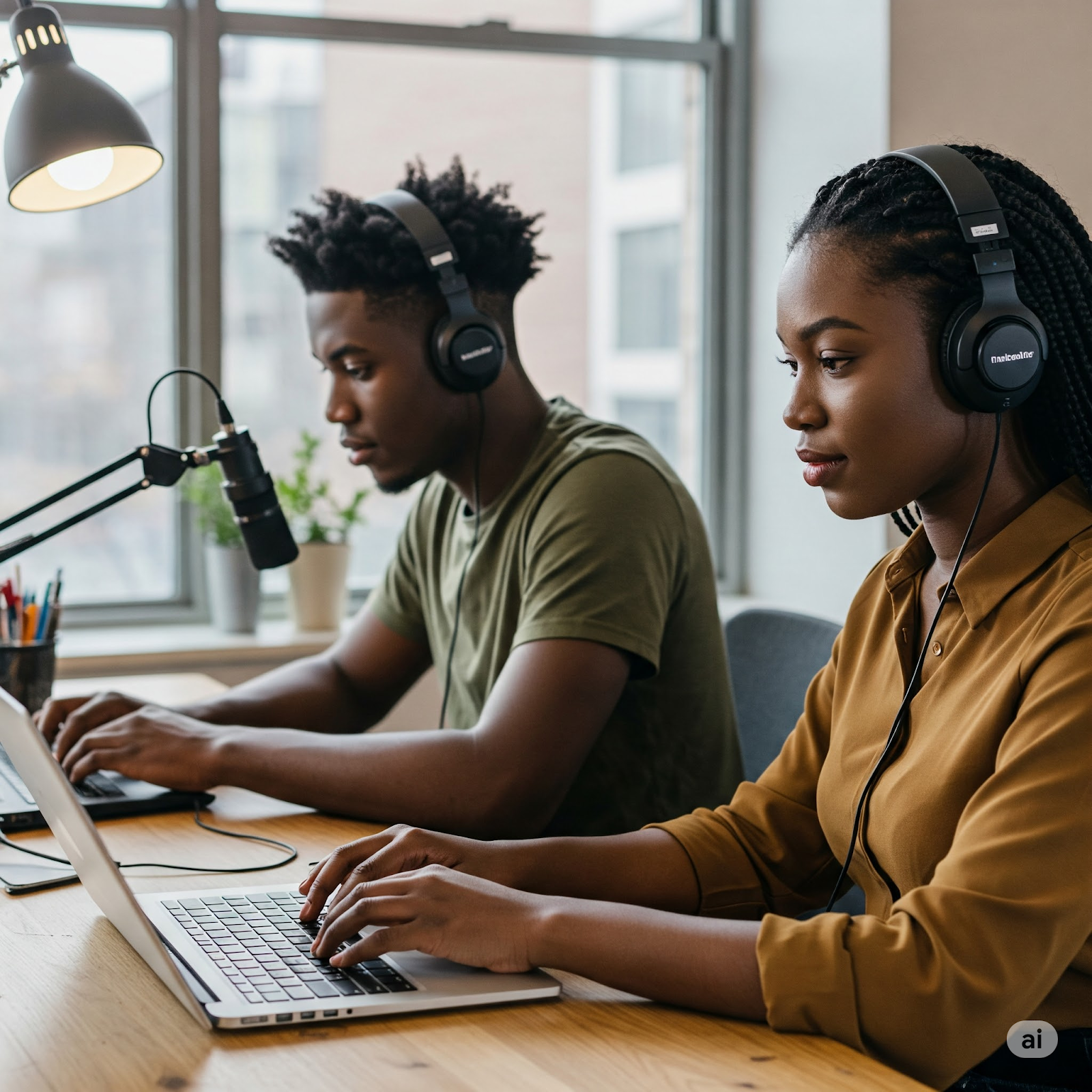
In today’s digital legal landscape, turning spoken words into written evidence is more crucial than ever. Enter audio legal transcription—the quiet powerhouse behind courtrooms, law firms, and legal teams. 🏛️
If you've ever wondered how legal conversations get turned into official records, or if you're curious about stepping into the transcription field yourself, this guide is for you. Let’s break it all down! 👇
🔍 What Is Audio Legal Transcription?
Audio legal transcription is the process of converting recorded legal audio—from courtrooms, interviews, or meetings—into accurate written documents. These transcripts are often used as official evidence in trials or for legal reference.
🎯 One misheard word could impact a legal case—accuracy is everything.
🧠 Why Is It Important?
Legal transcription plays a critical role in the justice system:
📚 Documentation – Keeps official written records.
🧾 Evidence – Transcripts can be submitted in court.
👁️🗨️ Accessibility – Easier to review, share, and annotate.
📑 Compliance – Meets legal and procedural requirements.
📁 Main Types of Legal Transcription
📝 Verbatim – Every word, pause, and stutter is captured.
🧹 Clean/Edited – Removes fillers; polished for clarity.
🧾 Summary – Condensed and to the point.
Each type serves a different legal purpose depending on context.
🔊 Where Does the Audio Come From?
Typical legal audio sources include:
-
⚖️ Court proceedings
-
👮 Police interviews
-
👩⚖️ Depositions
-
🧑💼 Attorney-client calls
-
🤝 Mediation or arbitration sessions
🔄 Step-by-Step: The Legal Transcription Process
-
📥 Receive Audio
-
🎚️ Clean & Prepare the File
-
⌨️ Transcribe (with tools or manually)
-
🧐 Proofread for Accuracy
-
📤 Deliver Final Transcript
A seamless, accurate process = fewer legal errors.
👩💻 Top Skills Every Legal Transcriptionist Needs
⚡ Fast typing (70+ WPM)
👂 Excellent listening skills
📘 Strong knowledge of legal terms
🧠 Focused attention to detail
🔒 Respect for confidentiality
It’s not just typing—it’s specialized, skilled work.
🛠️ Must-Have Tools of the Trade
🖥️ Software: Express Scribe, Descript, InqScribe
🗣️ AI Assist: Otter.ai, Trint (for drafts only)
🎧 Headphones: Noise-cancelling = better clarity
🔧 Audio Editors: Audacity, Adobe Audition
🗂️ Glossaries: Legal dictionaries & guides
⚠️ Biggest Challenges in Legal Transcription
🎧 Bad audio quality
🗣️ Multiple speakers at once
🌍 Accents and fast talkers
⚖️ Legal jargon
🔐 Strict confidentiality rules
👉 Even a 5-second inaudible moment could cost a case.
✅ Best Practices for Legal Transcriptionists
🎧 Use high-quality headphones
🦶 Try a foot pedal for playback
📋 Keep a glossary handy
⏱️ Add timestamps where necessary
🪞 Proofread twice, not once
🔐 Encrypt and securely share files
🧑⚖️ Legal Transcription vs. Court Reporting
| Feature | Legal Transcription | Court Reporting |
|---|---|---|
| 📍 Based On | Pre-recorded audio | Live, real-time events |
| 🕒 Timing | After the event | During the event |
| 💼 Flexibility | Remote-friendly | On-site, in person |
| 🧰 Tools | Software, headphones | Stenotype machines |
🏅 Certification & Career Tips
🧑🎓 Certifications aren’t always required, but they help!
🎓 AAERT – American Association of Electronic Reporters & Transcribers
🎓 NCRA – National Court Reporters Association
🎓 Online courses – Udemy, Coursera, edX
🧑💼 Career roles include:
-
Freelance legal transcriptionist
-
In-house law firm transcriber
-
Government or court work
-
Remote agency work
🔐 Ethics & Confidentiality
Legal transcriptionists must protect all client and case data:
✅ Sign NDAs
✅ Use encrypted file storage
✅ Never share case details
✅ Delete files after use
🛡️ Trust and discretion are non-negotiable in this field.
🏁 Final Thoughts
Audio legal transcription is more than typing—it’s a detailed, skill-based process that supports the very foundation of legal justice. Whether you're a lawyer needing reliable transcripts or someone exploring a career in the legal field, this behind-the-scenes role is as vital as any courtroom drama.
💬 Your Turn!
Have you ever worked with legal audio or transcription? Thinking of becoming a legal transcriptionist? Share your thoughts or questions in the comments below! 👇👇👇
Comments
Post a Comment